

Since the NHS widened its access to GLP-1 therapies in 2024, UK prescriptions for these treatments have surged. Despite this growth, a 2025 patient survey conducted by the Obesity Health Alliance revealed that 42% of individuals still feel confused by the clinical distinctions between various brand names. You've likely encountered the term ozempic alongside newer alternatives and felt overwhelmed by the conflicting reports on stock availability or potential side effects. It's understandable to seek certainty when your long-term metabolic health is at stake.
You deserve a clear, evidence-based path that cuts through the marketing noise and addresses the persistent supply challenges currently affecting UK pharmacies. We promise to help you understand the precise biochemical differences between these medications so you can identify the safest and most effective treatment for your specific physiology. This clinical comparison examines the latest 2026 efficacy data, provides a realistic timeline for weight loss, and outlines the regulated pathways available for UK patients to begin their journey with professional medical oversight.
Key Takeaways
- Understand the clinical distinction between semaglutide brands, including why Wegovy offers a higher dosage ceiling for chronic weight management compared to ozempic.
- Explore the latest 2026 clinical data comparing single-hormone mimics with dual-agonist treatments like Mounjaro to determine which provides superior efficacy for your biological profile.
- Identify the specific UK medical eligibility criteria, including BMI thresholds and the essential role of metabolic health in achieving long-term success.
- Learn how to navigate the UK pharmaceutical landscape safely by verifying GPhC and MHRA registrations to avoid the significant health risks of unverified online sellers.
- Discover how to integrate clinical treatments with a structured lifestyle framework to ensure your weight loss journey is both sustainable and health-optimised.
What is Ozempic? Defining its Role in Modern Medicine
Ozempic is the brand name for a medication containing the active ingredient Semaglutide, which the MHRA first approved in 2019 for the management of Type 2 diabetes. Developed by Novo Nordisk, it belongs to a class of drugs called GLP-1 receptor agonists. While its primary clinical purpose is to improve glycaemic control, its secondary effect on body mass sparked a global phenomenon. By 2024, the surge in "off-label" prescriptions for weight loss led to significant supply shortages across the NHS, prompting strict prescribing guidelines that remain central to UK practice in 2026. Today, its role is firmly rooted in metabolic stability for diabetic patients.
The Science of Semaglutide
This medication works by mimicking the glucagon-like peptide-1 (GLP-1) hormone, which your body naturally releases after a meal. It targets the hypothalamus to increase feelings of fullness and suppress appetite. Simultaneously, it slows gastric emptying, which means food stays in the stomach for a longer duration. Semaglutide is a biological analogue that revolutionised metabolic health. By stimulating insulin secretion only when blood sugar levels are elevated, it offers a sophisticated, glucose-dependent mechanism that prevents dangerous spikes without the high risk of hypoglycaemia seen in older treatments.
Why Licensing Matters in the UK
In the United Kingdom, ozempic is licensed specifically for the treatment of adults with insufficiently controlled Type 2 diabetes mellitus. While clinicians sometimes prescribe medications "off-label" for conditions outside their original licence, the MHRA and NICE have implemented rigorous oversight to ensure patient safety. Licensing isn't just a bureaucratic hurdle; it's a safeguard ensuring that the clinical trial data, which often involves thousands of participants over several years, supports the specific use of the drug.
For weight management, the UK regulatory framework directs patients toward Wegovy, which contains the same active molecule but carries a specific licence for obesity. Adhering to these licensed indications is vital for maintaining the integrity of the pharmaceutical supply chain. It ensures that the 4.3 million people in the UK living with diabetes don't face medication gaps. When you use a medication for its intended purpose, you're benefiting from a treatment plan that's been validated for your specific physiological needs and long-term safety profile.
Ozempic vs Wegovy: A Direct Comparison of Semaglutide Brands
While both medications contain the same active ingredient, semaglutide, their clinical applications in the UK follow distinct regulatory paths. Wegovy is the only version of this molecule specifically licensed by the MHRA for chronic weight management. In contrast, ozempic remains strictly indicated for the treatment of Type 2 diabetes. This distinction matters because the maximum therapeutic doses vary between the two brands. Wegovy allows for a 2.4mg weekly dose, while the highest licensed dose for its counterpart is 2.0mg. This 20% increase in the active ingredient is vital for reaching the areas of the brain that regulate appetite and satiety.Dosage Schedules and Administration
Patients begin their journey with a low 0.25mg dose for four weeks. This titration period helps the digestive system adjust to the GLP-1 receptor agonist, reducing the risk of nausea or vomiting. Every four weeks, the dose increases until reaching the maintenance level. While the Ozempic pen is designed for multiple doses, the Wegovy FlexTouch system in the UK provides a streamlined approach specifically for weight loss patients. Higher concentrations are necessary for weight reduction because the body requires stronger hormonal signals to sustain a caloric deficit than it does to simply manage blood glucose levels.Efficacy for Weight Reduction
Clinical evidence from the STEP (Semaglutide Treatment Effect in People with obesity) trials highlights the difference in outcomes. According to data from the STEP 1 trial, participants using the 2.4mg dose achieved an average weight loss of 14.9% over 68 weeks. This compares to roughly 6% to 9% typically seen in diabetes-focused trials. For a detailed breakdown of these clinical nuances, you can consult this guide on Ozempic vs Wegovy. Because ozempic is often limited to 1.0mg in standard UK primary care settings, patients using it off-label for weight loss may see plateaued results earlier than those on Wegovy. Looking toward the 2026 supply landscape, Wegovy remains the more accessible option for weight loss. Manufacturers have scaled production specifically to meet the demand for obesity treatments, ensuring that stocks are reserved for those without Type 2 diabetes. If you're considering starting your journey, it's worth exploring the weight management solutions available through professional clinical consultation. This ensures you receive the correct dose for your specific health goals while maintaining long-term safety.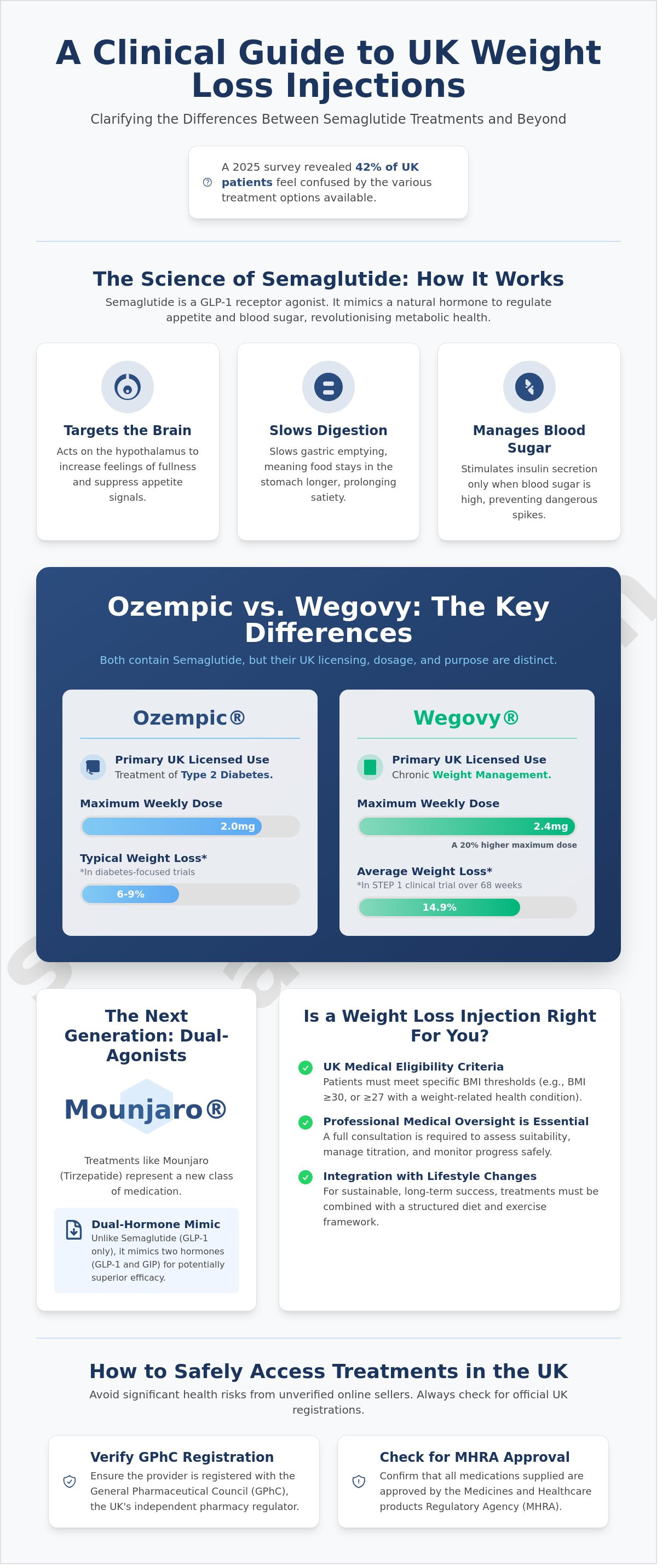
Ozempic vs Mounjaro: Comparing the Newest Generation of Treatments
Mounjaro represents a significant evolution in metabolic medicine. While ozempic relies solely on the GLP-1 receptor to regulate appetite and blood sugar, Mounjaro (tirzepatide) introduces a dual-action mechanism by also targeting the Glucose-dependent Insulinotropic Polypeptide (GIP) receptor. This synergy doesn't just double the effect; it changes how the body processes fat and energy. Clinical data from 2024 and 2025 suggests this combined approach leads to more profound weight reduction than single-agonist treatments. It represents a shift from simply managing a condition to actively optimising metabolic health.
The GIP Advantage
Targeting the GIP receptor enhances the body's ability to break down fat cells and improves insulin sensitivity. It acts as a metabolic primer. Based on the SURMOUNT-1 clinical trials, participants on the highest dose of tirzepatide achieved an average weight loss of 20.9% over 72 weeks, whereas those using 2.4mg of semaglutide typically see an average reduction of 14.9% over 68 weeks. This 6% margin has established tirzepatide as the current gold standard for non-surgical weight management. Despite the dual action, side effect profiles remain comparable. Most patients experience mild gastrointestinal issues during the titration phase, though early evidence suggests GIP agonism might help mitigate some of the nausea often associated with GLP-1 stimulation.
Choosing Between Single and Dual Agonists
Selecting the right treatment depends on your clinical history and specific health goals. Ozempic has a longer track record of safety data, spanning back to its initial UK licence for type 2 diabetes. Some patients prefer the established nature of semaglutide, especially if they've successfully used it before without complications. The NICE guidelines for weight loss injections provide a framework for how these medications are prescribed within the NHS, often requiring a BMI of 35 or higher alongside specific comorbidities. For private patients, the choice often comes down to individual tolerance and the speed of results required.
- Pen Design: Mounjaro is delivered via the KwikPen, which contains four doses per device, while Ozempic uses the FlexTouch pen system.
- Cost-Effectiveness: In the UK private sector, Mounjaro prices typically start around £149 per month. Wegovy (the weight-loss branded version of semaglutide) can range from £130 to £270 depending on the required dosage.
- Medical History: Your clinician will assess your cardiovascular health and any history of pancreatitis before recommending the dual or single agonist approach.
Personal preference plays a role in long-term adherence. Some patients find the weight loss on tirzepatide more rapid, which can be a powerful motivator. Others find the steady, well-documented path of semaglutide fits their lifestyle better. Both medications require a commitment to nutritional changes and increased physical activity to maintain results after the treatment course ends.
Is a Weight Loss Injection Right for You? Key Considerations
Choosing a medical weight loss path requires a clear understanding of both the clinical requirements and the personal commitment involved. In the UK, the National Institute for Health and Care Excellence (NICE) establishes strict criteria for prescribing medications like ozempic. You'll typically need a Body Mass Index (BMI) of 30 or higher to qualify. If you live with weight-related comorbidities such as hypertension, high cholesterol, or sleep apnoea, the entry threshold reduces to a BMI of 27.
Success isn't guaranteed by the injection alone. Data from the STEP clinical trials suggests that the most significant results occur when patients maintain a daily 500-calorie deficit and engage in at least 150 minutes of moderate exercise per week. It's a tool to support a healthier lifestyle, not a replacement for it. Weight management is a chronic journey; many patients find they need a long-term plan to maintain their metabolic improvements and prevent weight regain.
Assessing Your Eligibility
A formal clinical assessment is vital to ensure the treatment is safe for your specific physiology. You must provide an honest, detailed medical history during your online consultation. GLP-1 medications are contraindicated for individuals with a personal or family history of medullary thyroid cancer or Multiple Endocrine Neoplasia syndrome type 2. Professionals use these details to weigh the benefits against potential risks, ensuring your treatment plan is both effective and biologically appropriate.
Potential Side Effects and Management
Clinical data shows that approximately 40% of users experience mild nausea, particularly during the first four weeks of dose titration. You can manage this by eating smaller, more frequent meals and avoiding rich or greasy foods. Hydration is equally critical. Aim for 2 litres of water daily to support kidney function and prevent constipation, which affects roughly 10% of patients. While rare, you must seek urgent medical advice if you experience severe, persistent abdominal pain; this could signal pancreatitis, a complication found in fewer than 1% of clinical trial participants.
Ready to see if you meet the clinical criteria for a tailored weight management plan? Check your eligibility with our clinical experts today.
How to Safely Buy Weight Loss Treatments Online in the UK
The surge in demand for GLP-1 receptor agonists has unfortunately created a fertile ground for unregulated sellers. In October 2023, the MHRA reported the seizure of hundreds of counterfeit ozempic pens that had entered the UK through illegal channels. These black market products often contain incorrect dosages or entirely different substances, such as insulin, which can lead to life-threatening hypoglycaemia. Safety isn't a luxury; it's a clinical necessity. You must ensure your provider operates within the strict legal framework of the United Kingdom to avoid these risks.
The Importance of GPhC Registration
You should never purchase prescription-only medication from social media profiles, encrypted messaging apps, or websites that don't display a physical UK address. A legitimate online pharmacy must be registered with the General Pharmaceutical Council (GPhC). This registration ensures the business follows rigorous standards for patient safety and drug sourcing. At SW Pharma, we verify every patient's suitability through a robust clinical process. Every prescription is reviewed by a qualified UK clinician who evaluates your medical history and BMI against safety protocols. We don't just ship boxes. We provide a regulated healthcare service. To protect the efficacy of your treatment, we use discreet, temperature-controlled delivery to ensure the medication stays within the required 2°C to 8°C range during transit.
Your Journey with SW Pharma
Accessing weight loss medication through a professional route ensures you have the support needed for long-term success. It's not a simple transaction; it's a managed clinical pathway. Our process is designed to be thorough yet accessible for busy patients. Follow these steps to begin:
- Clinical Assessment: Complete a detailed online questionnaire regarding your health, current medications, and weight loss goals.
- Expert Review: Our clinical team examines your data to confirm that treatments like Mounjaro or Wegovy are safe for you.
- Regulated Dispensing: Once approved, your medication is dispensed from our registered UK pharmacy.
- Ongoing Titration Support: We provide expert guidance on how to gradually increase your dose to minimise side effects and maximise results.
Choosing a professional partner means you're never left to manage complex medications alone. It's about finding a balance between convenience and clinical excellence. If you're ready to take the next step in your health journey with a trusted provider, you can begin your clinical weight loss assessment with SW Pharma today. Our team ensures you receive genuine ozempic or alternative GLP-1 treatments with the highest level of pharmaceutical oversight.
Taking Control of Your Metabolic Health Today
Selecting the right treatment between ozempic and its counterparts involves more than just comparing brand names; it requires a deep understanding of how semaglutide interacts with your unique biology. Clinical data from 2025 indicates that patients can achieve a 15% reduction in total body weight when these injections are integrated into a supervised healthcare plan. Your journey towards a healthier weight deserves a foundation built on clinical excellence and safety. SW Pharma operates as a GPhC registered pharmacy, ensuring that every treatment plan begins with a free clinical review by UK prescribers to ensure optimal bioavailability and patient safety. We've streamlined the medical process to provide you with expert care without the long wait times often found in traditional settings. Once approved, your medication arrives via discreet next-day delivery. You'll have the support of a professional team dedicated to your long-term success and metabolic balance. It's time to move forward with a partner who values your health as much as you do.
Start Your Weight Loss Consultation
Frequently Asked Questions
Can I get Ozempic on the NHS for weight loss?
You cannot currently get Ozempic on the NHS specifically for weight management. The NHS only prescribes ozempic to treat adults with Type 2 Diabetes to manage blood sugar levels. For weight loss, the NHS uses Wegovy, provided you meet specific criteria such as having a Body Mass Index of 35 or higher and a weight-related health condition. These prescriptions are typically limited to specialist weight management services for a maximum of two years.
What is the main difference between Ozempic and Wegovy?
The primary difference lies in their licensed medical use and the maximum available dosages. Both medications contain semaglutide, but Ozempic is licensed for Type 2 Diabetes with a maximum weekly dose of 1.0mg. Wegovy is specifically licensed for chronic weight management and reaches a higher maintenance dose of 2.4mg. While they're manufactured by the same company, they follow different clinical pathways and regulatory approvals in the UK.
Is Mounjaro more effective than Ozempic for losing weight?
Clinical data suggests Mounjaro offers superior weight reduction results compared to ozempic. In the SURMOUNT-1 clinical trial, participants taking the highest 15mg dose of tirzepatide lost an average of 20.9% of their body weight over 72 weeks. In comparison, semaglutide trials usually show a weight loss of approximately 15% over 68 weeks. Mounjaro’s dual-action formula targets two metabolic receptors, whereas semaglutide only targets one, leading to higher efficacy for many patients.
How much does it cost to buy Wegovy or Mounjaro privately in the UK?
Private prices for these weight loss treatments generally start from approximately £140 to £160 per month. As your dosage increases, the cost for Wegovy can rise to around £270 for a 2.4mg pen. Mounjaro pricing is often tiered by strength, with the 2.5mg and 5mg starter pens typically priced at £149. These costs include the clinical consultation, the prescription fee, and the physical injection device required for the four-week treatment cycle.
What happens if I stop taking Ozempic or Wegovy?
Most patients experience a return of their original appetite levels and potential weight regain after stopping the medication. Clinical studies like the STEP 1 trial showed that participants regained two-thirds of their lost weight within one year of discontinuing the treatment. To maintain your results, it's essential to have established long-term dietary habits and regular physical activity. The medication acts as a tool, but the physiological effects on hunger cease once the drug leaves your system.
Are there any foods I should avoid while on weight loss injections?
You should limit high-fat, fried, and heavily processed foods to reduce the likelihood of gastrointestinal side effects. These injections slow down your gastric emptying, so greasy meals stay in your stomach longer and often cause nausea or bloating. Many patients find that reducing alcohol intake and avoiding large portions of refined sugar helps maintain the metabolic balance needed for the treatment to work effectively. Small, nutrient-dense meals are generally tolerated much better.
How long does one pen of Wegovy or Mounjaro last?
One individual pen for either Wegovy or Mounjaro is designed to last for exactly 28 days. Each pen contains four pre-measured weekly doses. You must discard the pen 30 days after its first use, even if there's liquid remaining, to ensure the stability and sterility of the active ingredients. It's vital to store your unused pens in a refrigerator between 2°C and 8°C to maintain their pharmaceutical potency and safety.
Can I switch from Ozempic to Mounjaro?
You can switch between these treatments, but the process must be supervised by a qualified healthcare professional. Switching isn't a direct dose-for-dose swap because the active ingredients and mechanisms of action differ. Your clinician will usually recommend a short "washout" period or start you on the lowest 2.5mg dose of Mounjaro to monitor your body’s reaction. This cautious approach ensures your safety and helps minimise severe digestive side effects during the transition period.
![Wegovy Side Effects Management: A Clinical Guide for UK Patients [2026]](https://getautoseo.com/storage/hero_images/article_665463_1776498695.jpg)
![Wegovy vs Saxenda for Weight Loss: A Clinical Comparison for UK Patients [2026]](https://getautoseo.com/storage/hero_images/article_1261167_1776484316.jpg)